
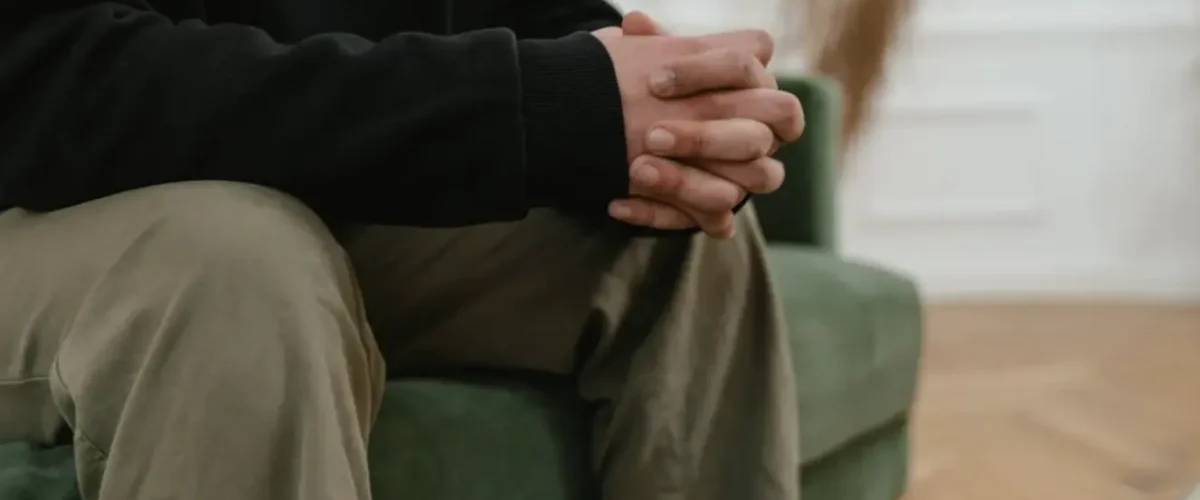
Managing Anxiety and Scanxiety During Cancer Treatment—Practical Tools for Peace of Mind 1200x500

Managing Anxiety and “Scanxiety” During Cancer Treatment—Practical Tools for Peace of Mind

Anyone who has gone through cancer treatment knows that the emotional journey doesn’t end once chemotherapy, radiation, or surgery is over. Follow-up scans, blood tests, and routine surveillance appointments can trigger powerful waves of anxiety—often referred to as “scanxiety.” Even years after remission, many survivors report intense fear as each scan approaches, worried that something unexpected may appear.

This anxiety is not irrational. Scans represent moments of vulnerability—moments when your future feels uncertain. Many patients describe feeling physically tense, unable to sleep, distracted, or irritable in the days leading up to an appointment. Some replay past experiences or imagine worst-case scenarios, while others feel guilty for being afraid. But scanxiety is not a sign that you’re losing control—it’s a sign that you’ve endured something significant and care deeply about your health.

Understanding scanxiety can help reduce its intensity. For many people, the fear peaks before the scan, remains high until results come in, and gradually fades afterwards. This pattern is normal, and learning to recognize it can make it easier to manage. It’s helpful to remember that scanxiety affects patients across all ages, cancer types, and treatment stages—even those who have been in remission for years.

Fortunately, there are practical tools to help. Cognitive Behavioral Therapy (CBT) can be effective in challenging catastrophic thinking and helping you create more balanced, realistic thoughts. Mindfulness and grounding techniques—like deep breathing, progressive muscle relaxation, or guided meditation—can calm the body’s stress response. Building a “scan day routine” can also reduce emotional intensity: plan something comforting afterward, bring a supportive friend or family member, listen to soothing music, or schedule a short walk.

Medication can play a supportive role for some people, especially if anxiety is interfering with sleep, decision-making, or functioning. Short-term medication during high-stress periods may provide relief while maintaining emotional stability. Survivorship programs, oncology support groups, and patient communities can also help normalize your experience and reduce feelings of isolation. The goal isn’t to eliminate scanxiety completely, but to make it manageable so that scans become part of your health routine, not a source of overwhelming distress.

At Iroko Psychiatry, we offer targeted support for cancer patients and survivors dealing with scanxiety, trauma, depression, and chronic worry. Whether through telepsychiatry or in-person visits, we create individualized plans that help you cope with the emotional challenges of treatment and follow-up care. You don’t have to face the fear alone. Our clinicians provide compassionate support, evidence-based treatment, and practical tools to help you approach each scan with steadier nerves and renewed confidence.

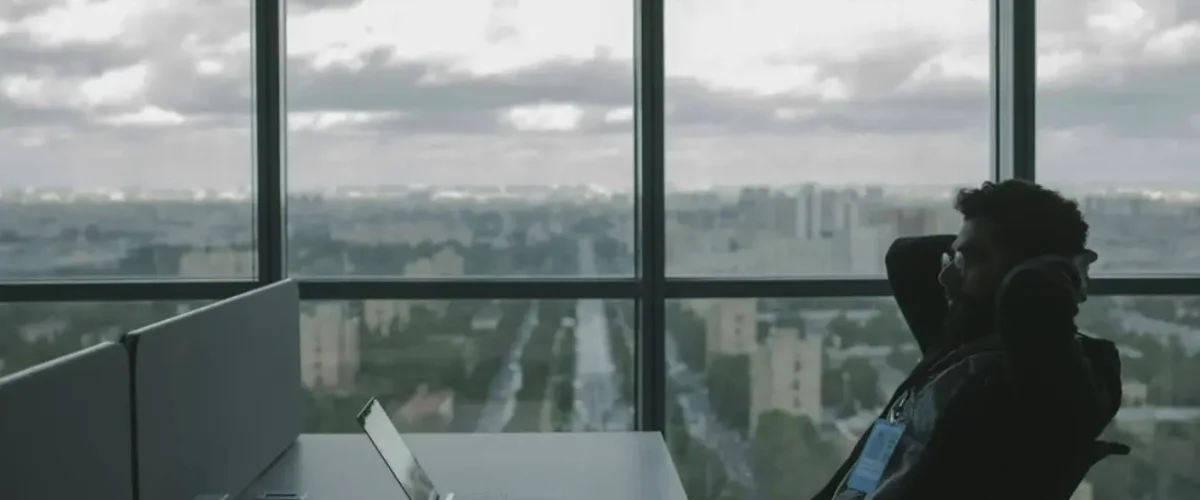
As Winter Approaches Understanding Seasonal Affective Disorder and How to Treat It 1200x500

As Winter Approaches: Understanding Seasonal Affective Disorder and How to Treat It

As the days get shorter, the sunlight fades earlier, and temperatures begin to drop, many people notice a shift in their energy and mood. Feeling a little slower in winter is common—but for some, the seasonal change triggers a deeper emotional struggle known as Seasonal Affective Disorder (SAD). This form of depression typically appears in late fall or early winter and can affect sleep, motivation, appetite, and overall well-being.

People with SAD often describe feeling heavier, more tired, or disconnected as the sunlight decreases. You may find it harder to get out of bed, struggle to stay focused, or lose interest in activities that usually bring joy. Increased cravings for carbohydrates, social withdrawal, irritability, and persistent sadness are also common signs. The good news? SAD is highly treatable, and early support can make the winter months feel much more manageable.

One of the most effective treatments is bright light therapy. This involves sitting in front of a specially designed light box for about 20–30 minutes each morning. The bright light mimics natural sunlight, helping regulate your internal clock, improve energy levels, and lift your mood. Many patients begin to feel better within just 1–2 weeks of consistent use. Light boxes are widely available, safe, and often recommended as a first-line treatment.

Other helpful treatments include therapyantidepressant medicationvitamin D supplementation, and lifestyle adjustments like regular exercise, morning walks, and maintaining a structured sleep routine. Cognitive Behavioral Therapy (CBT) can be especially effective in helping you understand patterns, manage negative thoughts, and develop coping strategies during the darker months. For some individuals, a combination of therapies provides the strongest relief.

At Iroko Psychiatry, we understand how deeply seasonal changes can affect mental health. Whether you’ve experienced SAD for years or are noticing symptoms for the first time, we offer personalized evaluations, evidence-based treatment options, and follow-up care through telepsychiatry or in-person visits. You don’t have to wait for winter to “pass.” Relief is available, treatment works, and you deserve to feel like yourself all year long.

If you’re noticing changes in your mood as winter approaches, reach out. We’re here to help you navigate the season with clarity, support, and renewed strength.

Managing Anxiety in a Fast Paced World Modern Strategies That Truly Work 1200x500

Managing Anxiety in a Fast-Paced World—Modern Strategies That Truly Work

Anxiety is one of the most common mental-health challenges today. Daily life often feels fast, unpredictable, and demanding—and our minds can struggle to keep up. Whether it shows up as constant worry, racing thoughts, restlessness, irritability, or physical symptoms like tightness in the chest or stomach, anxiety can make even simple tasks feel overwhelming. It can affect sleep, relationships, concentration, and your general sense of peace.

Many people assume anxiety is just “part of life,” especially if they’ve been living with it for years. But chronic anxiety is not something you have to tolerate. When left untreated, it can worsen over time, leading to avoidance, panic attacks, burnout, or depression. Recognizing the signs early and seeking support can significantly improve your quality of life.

Modern anxiety treatment is highly effective. Cognitive Behavioral Therapy (CBT) helps you identify unhelpful thought patterns and develop healthier responses. Mindfulness and grounding techniques teach you how to calm your body and interrupt worry spirals. Sleep hygiene and lifestyle adjustments can restore balance and reduce daily stress. For many people, medication provides the stability needed to move out of survival mode and back into a sense of control.

It’s important to know that everyone’s experience with anxiety is different. What feels manageable for one person may feel overwhelming for another. That’s why personalized care matters. Together with your clinician, you can explore what triggers your anxiety, what patterns keep it going, and what strategies are most effective for your life.

Telepsychiatry has made anxiety treatment more accessible than ever. Many patients feel more comfortable discussing their symptoms from home, where they don’t have to worry about travel or crowded waiting rooms. Virtual care makes it easier to stay consistent, which is key to reducing symptoms over time. Treatment doesn’t have to disrupt your life—it can fit into it.

Iroko Psychiatry offers a compassionate, structured approach to anxiety care. Through evidence-based treatments, medication management when appropriate, and real-world coping strategies, we help patients regain stability, confidence, and peace. Whether you’re dealing with chronic anxiety, stress, or panic, you don’t have to manage it alone. With the right support, you can rebuild balance and enjoy life with a calmer, steadier mind.